The Secret to Flawless Skin: Future Skincare Trends and the Rise of Tech-Enhanced Beauty
In today’s society, skincare is no longer limited to simple cleansing and moisturizing—it has evolved into a sophisticated “skin engineering” process that integrates technology, health, and aesthetics. As consumers demand more from their skincare routines, the beauty industry is undergoing a profound transformation. From basic maintenance to functional repair and intelligent diagnostics to personalized treatments, skincare in 2025 is no longer surface-level care—it’s a systematic, deeply personalized technological revolution.
I. Skincare Enters the Era of “Precision Beauty”
Traditional skincare has long relied on experience-based methods, with products categorized by skin type: oily, dry, combination, or sensitive—addressing mostly superficial concerns. However, the rise of “precision skincare” has ushered in an era of data-driven, personalized treatment.
The core of precision skincare lies in quantifying the skin’s condition. Advanced tools like AI diagnostic devices and skin scanners now allow users to assess water-oil balance, tone uniformity, cellular oxidation, pore depth, and inflammation levels. These metrics enable brands to offer tailored skincare solutions, achieving truly customized regimens for every individual.
Some brands even provide DNA testing and microbiome analysis, creating products based on a user’s genetic makeup and skin flora. This helps address complex skin issues—such as acne, hyperpigmentation, sensitivity, and premature aging—right at the source.
II. Five Key Trends Defining Future Skincare
1. Biotech and Synthetic Active Ingredients
Biotechnology has opened new horizons for skincare. Active peptides, stem cell extracts, growth factors, and EGF (epidermal growth factor) are now common in high-end products. These components reinforce the skin barrier, stimulate cell renewal, reduce fine lines, and boost elasticity—delivering results faster and deeper than traditional plant extracts.
Synthetic ingredients have also made breakthroughs. For instance, lab-created hyaluronic acid offers precise control over molecular weight, allowing multi-layer hydration. Synthetic squalane, compared to its natural counterpart, is more stable and safer for sensitive skin.
2. Microbiome Balance Becomes the New Skincare Focus
Skincare is no longer just about hydration and brightening—maintaining the skin’s microbiome is key. Trillions of microbes live on the skin’s surface, influencing immunity, inflammation, and sensitivity.
To counteract microbiome imbalances caused by over-cleansing or environmental stressors, many products now include probiotics, prebiotics, and postbiotics. For example, skincare with fermented lactobacillus extract helps strengthen the skin’s defenses, reduce irritation, and restore a healthy balance.
3. Smart Skincare Devices Complement Topicals
The application of technology in skincare extends beyond ingredients to devices. Home-use tech such as cleansing brushes, ultrasonic infusers, RF (radiofrequency) tools, and LED masks are becoming mainstream. These tools enhance product absorption, stimulate collagen production, and accelerate metabolism.
The future lies in a “product + device” model. Smart infusion wands, for instance, adjust frequency based on skin temperature, targeting problem areas with precision and maximizing product efficacy.
4. Sustainability Becomes a Skincare Standard
As environmental awareness grows, 2025 skincare products are increasingly eco-friendly. Recyclable packaging, zero animal testing, use of renewable resources, and reduced carbon footprints are fast becoming industry norms.
Some brands have embraced “blue technology,” extracting ingredients from deep-sea algae and plankton without harming marine ecosystems. Biodegradable packaging is now a staple, addressing both beauty needs and ecological responsibility.
5. The Resurgence of Aromatherapy and Botanicals
Even as high-tech ingredients dominate, natural therapies are making a powerful comeback. In our high-stress, fast-paced world, botanical ingredients with calming properties—like lavender, neroli, sandalwood, and centella asiatica—are regaining favor.
Modern products blend aromatherapy with active repair, promoting both emotional well-being and skin health. This dual focus on mind and body embodies a more holistic approach to beauty.
III. Skincare Products that Embody the Future
With advancements in ingredients, functionality, and smart technology, the following products stand out as icons of 2025 skincare.
1. SkinCeuticals C E Ferulic (Antioxidant Serum)
Combining 15% vitamin C, 1% vitamin E, and 0.5% ferulic acid, this serum delivers powerful protection against free radicals while brightening skin and boosting firmness.
Why it’s recommended: Highly stable formula ideal for urban environments with heavy oxidative stress.
Available on: Amazon
2. Estée Lauder Advanced Night Repair (ANR Serum)
The 2025 edition features Chronolux™ Power Signal Technology for faster nighttime repair and enhanced cellular metabolism. Hyaluronic acid ensures deep hydration.
Why it’s recommended: Enhanced overnight repair—perfect for stressed, sleep-deprived skin.
Available on: Amazon
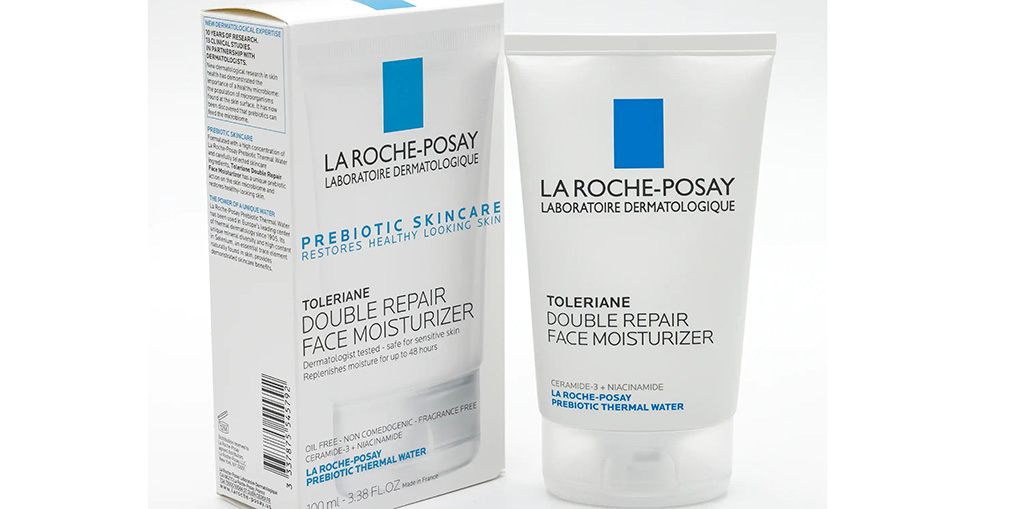
3. La Roche-Posay Toleriane Double Repair Moisturizer
This moisturizer combines ceramides with prebiotic technology to restore the skin barrier and microbiome, soothing redness and sensitivity. Light and non-greasy, it suits all skin types.
Why it’s recommended: Strengthens sensitive skin—ideal for seasonal transitions.
Available on: Amazon
4. Dr. Dennis Gross DRx SpectraLite FaceWare Pro
This home device uses red and blue LED light: red stimulates collagen to combat aging; blue targets acne-causing bacteria. Just three minutes of use per day delivers visible results.
Why it’s recommended: Professional-level light therapy at home—top choice for tech-savvy beauty care.
Available on: Amazon
5. Glow Recipe Watermelon Glow Niacinamide Dew Drops
Featuring niacinamide and watermelon extract, this multi-use serum brightens skin, fades acne marks, and refines pores. Can be used under makeup for a luminous finish.
Why it’s recommended: Brightening, pore-refining, and makeup-boosting—all in one.
Available on: Amazon

IV. Strategic Skincare Advice for 2025
As skincare routines evolve, here are key principles to adopt for the future:
- Avoid chasing high concentrations blindly
Higher percentages don’t always mean better results—they can trigger irritation. The trend is moving toward micro-dosing: gentle yet effective improvements over time. - Prioritize skin barrier health
Barrier damage is at the root of many issues. Focus on restoring balance before tackling pigmentation, aging, or acne. - Protect against environmental stressors
Sun protection must now guard against more than UV rays—blue light, infrared, and pollution are also damaging. Multi-spectrum defense is essential. - Follow a skincare rhythm
Skin has its own biological clock. Daytime calls for protection; night is for repair. Weekly masks or treatments can further enhance results.
V. Future Skincare: A Science and a Lifestyle
Ultimately, the goal of skincare isn’t just to whiten or smooth the skin—it’s to keep it healthy, balanced, and vibrant under any condition. In 2025, skincare emphasizes self-awareness and scientific habits. By understanding your skin, selecting products wisely, and maintaining a rhythm that aligns with your body’s natural cycles, flawless skin becomes a reachable goal.
Future skincare is a precision-driven journey led by technology and data. It is a transformation from surface care to deep repair, from emotional to rational, from short-term beauty to long-term health. Most importantly, it’s a gentle revolution that nurtures self-respect and confidence—one smart product, one mindful step at a time.