Staying at Your Best: The Fashion Secrets of Fitness and Healthy Living
In today’s fast-paced world, maintaining a healthy body and vibrant mental energy has become a goal for many. Whether to improve quality of life or to build a more confident image, fitness and a healthy lifestyle have become essential elements of modern fashion. Fitness is not just about physical exercise—it is a lifestyle attitude. Healthy habits provide a solid foundation for the best physical and mental state.
1. Understanding Fitness and Healthy Living
1.1 Definition and Goals of Fitness
Fitness refers to engaging in various forms of physical activities and training to enhance physical condition, improve body shape, and boost bodily functions. It focuses not only on appearance but also on overall physical ability, endurance, flexibility, and cardiopulmonary function. A reasonable fitness plan should be tailored to individual physique and goals, scientifically arranging exercise intensity and frequency to avoid injury and achieve the best results.
1.2 The Multidimensional Aspect of Healthy Living
Healthy living encompasses more than just diet and exercise; it includes mental health, adequate sleep, good social relationships, and stress management. It represents a balanced state of body and mind, maintaining overall physical functions and mental well-being. Healthy habits can delay aging, reduce disease risks, and improve life satisfaction.
1.3 The Fashion Significance of Fitness and Healthy Living
With growing awareness of health, fitness is no longer exclusive to professional athletes but a symbol of mainstream fashionable living. Fitness apparel, sports equipment, healthy diets, and smart health devices have all become iconic elements of fashion trends. Maintaining an active body and vibrant spirit is a key source of personal charm.
2. Core Principles of Scientific Fitness
2.1 Diverse Training for Comprehensive Development
Focusing on a single exercise can cause localized fatigue or imbalance. Combining strength training, aerobic exercise, flexibility training, and core stability exercises helps improve overall fitness. Strength training promotes muscle growth and metabolism; aerobic exercises enhance cardiopulmonary function; flexibility exercises improve joint mobility; core training strengthens body stability.
2.2 Reasonable Training Frequency and Intensity
Overtraining can lead to fatigue, injury, or psychological burnout. Properly distributing exercise intensity and rest periods ensures the body has time to recover. Generally, 3 to 5 sessions of moderate-intensity exercise per week, each lasting 30 to 60 minutes, are recommended, adjusted to individual capacity. Rest days are equally important for muscle repair and growth.
2.3 Choosing Exercise Forms and Ensuring Proper Technique
Selecting sports suited to personal interest and physical condition boosts exercise motivation. Whether yoga, running, strength training, or team sports, maintaining correct form is essential to avoid injury. Beginners should learn proper techniques under professional guidance and gradually increase training load.
2.4 Combining Cardiovascular and Strength Training
Cardiopulmonary fitness is a key health indicator; improving endurance reduces chronic disease risks. Strength training sculpts the body and raises basal metabolic rate, helping to burn fat. Together, they achieve both a healthy physique and good physical performance.
3. Creating Fashionable Fitness Gear and Environment
3.1 Choosing and Styling Sportswear
Comfortable, functional, and stylish sportswear enhances the exercise experience. Breathability, elasticity, and moisture-wicking are basic requirements, while colors, designs, and details express personal style. Recently, athleisure has become a street fashion trend, making sportswear a key part of everyday outfits beyond the gym.
3.2 Scientific Selection of Sports Shoes
Different sports require different shoes. Running shoes focus on cushioning and support; strength training shoes emphasize stability; yoga or Pilates shoes need to be lightweight with good grip. Appropriate shoes reduce injury risk and improve performance.
3.3 Smart Devices for Scientific Training
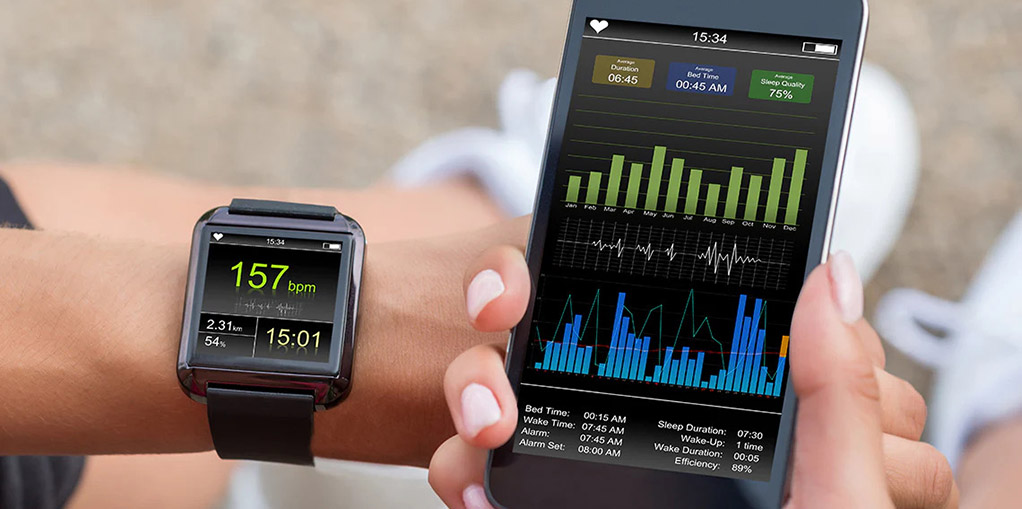
Smart bracelets, heart rate monitors, and smart body fat scales provide precise exercise data. Data analysis helps users adjust training intensity and diet plans to better reach their goals. Smart fitness mirrors and online classes enrich workout methods, making exercise convenient and enjoyable.
3.4 Creating a Comfortable Fitness Environment
Whether at home or in the gym, a good environment boosts motivation. Proper lighting, air circulation, music, and sufficient space create a positive workout atmosphere. Integration with smart home devices adds a sense of technology and fashion to home gyms.
4. Healthy Diet: The Solid Foundation of Fitness
4.1 Balanced Nutrition to Meet Body Needs
During exercise, energy and nutrient requirements increase. Proper intake of carbohydrates, protein, and fats ensures sufficient fuel and repair materials. Carbohydrates provide energy; protein supports muscle recovery; healthy fats maintain cell functions.
4.2 Emphasis on Dietary Diversity
A varied diet helps obtain abundant vitamins and minerals. Fresh fruits and vegetables, whole grains, quality protein, nuts, and healthy oils form the core of a scientific diet. Reducing processed foods, sugar, and excessive salt helps control body fat and protect cardiovascular health.
4.3 Reasonable Meal Timing
Meal timing affects training outcomes. Consuming easily digestible carbohydrates before exercise provides energy; ingesting protein and carbohydrates after exercise promotes muscle repair and energy replenishment. Frequent small meals throughout the day avoid overeating and stabilize blood sugar and metabolism.
4.4 Importance of Hydration and Electrolyte Supplementation
Adequate hydration is crucial for exercise performance. Fluid and electrolyte loss during exercise must be replenished timely to prevent dehydration and muscle cramps. Depending on exercise intensity and environment, choose suitable water or sports drinks.
5. Good Rest and Psychological Adjustment for Comprehensive Health
5.1 Adequate Sleep Quality
Sleep is critical for body repair and regeneration. Adults are advised to have 7 to 9 hours of high-quality sleep each night. Lack of sleep affects exercise recovery and causes hormonal imbalance, increasing obesity and chronic disease risks. Regular sleep routines, reduced screen time, and a good sleeping environment improve sleep quality.
5.2 Stress Management and Mental Health Maintenance
Chronic stress disrupts hormone balance and immune function, harming health. Meditation, breathing exercises, outdoor activities, or hobbies help relieve stress and maintain a positive mindset. Mental well-being is an essential part of a healthy life.
5.3 Social Relationships and Support Systems
Relationships profoundly impact mental health. Good communication and support from family and friends strengthen psychological resilience. Participating in group exercises or health communities promotes friendship and enhances exercise consistency and enjoyment.

6. Practical Suggestions for Fashionable Healthy Living
6.1 Setting Achievable Goals and Plans
Clear short- and long-term goals with concrete plans help maintain motivation and direction. Goals should be measurable and realistic to avoid frustration.
6.2 Continuous Learning and Adjustment
Stay updated on the latest fitness theories and health information, and adjust plans based on personal experience. Utilize professional resources such as nutritionists and fitness trainers to improve training safety and effectiveness.
6.3 Integrating Healthy Habits into Daily Life
Healthy living goes beyond workout time. Arrange work and rest reasonably, choose walking or cycling over driving, reduce prolonged sitting, and increase daily activity to maintain good condition.
6.4 Paying Attention to Body Signals and Avoiding Overtraining
Fatigue, pain, and mood changes are important warning signs. Adjust training intensity or rest in time to prevent injury and burnout, ensuring sustainable health.
Fitness and healthy living are the foundation of modern fashionable lifestyles. Through scientific training, balanced nutrition, quality sleep, and a positive mindset, not only can an ideal body shape be created, but overall life quality can be elevated. Fashion is not only reflected in appearance but also stems from a healthy body and a vibrant spirit. Incorporating fitness and health into daily life is the secret to staying at your best. The future life should not only be beautiful but also healthy and resilient, showcasing true confidence and charm.